How to Read a Red-Carpet Dress Code
Themed events turn a dress code into a puzzle. Learn to tell a literal interpretation from a clever one, and you will watch the carpet with new eyes.
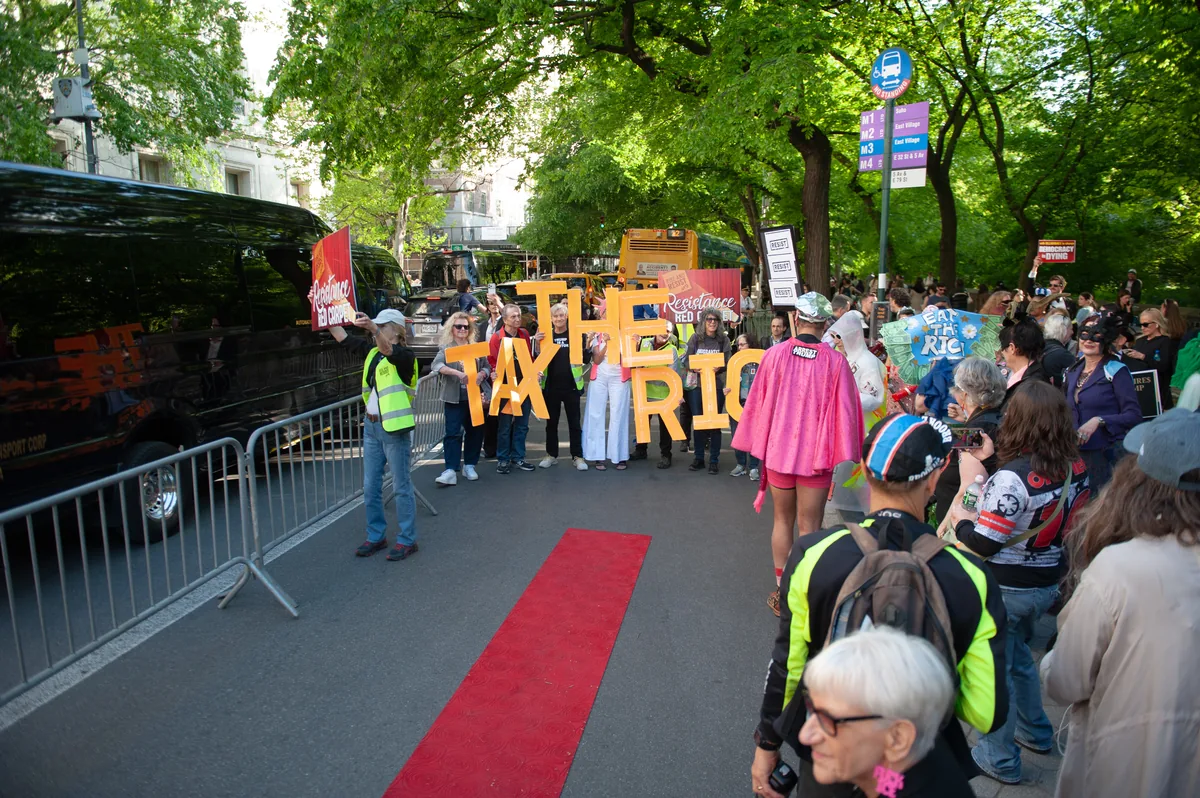
Photo: SWinxy, CC BY 4.0, via Wikimedia Commons
Some of the most talked-about fashion nights now come with a theme — a dress code announced in advance that every guest is meant to interpret. The results range from the literal to the wildly inventive, and half the fun as a viewer is judging who understood the assignment. But “understanding the assignment” is a skill, and once you can see how it works, watching a themed carpet becomes a richer game.
A theme is a prompt, not a costume order
The first thing to grasp is that a dress-code theme is a prompt for interpretation, not an instruction to dress up as a thing. The weakest responses treat the theme literally, as if it were a fancy-dress party: if the theme is a color, they simply wear that color; if it is an era, they rent a period costume. It is not wrong, exactly, but it rarely rises above the obvious.
The strongest responses treat the theme as a starting point for an idea. They find an angle — a mood, a reference, a bit of wit — and build a look that comments on the theme rather than merely illustrating it. The difference is the difference between answering a question and having a conversation with it.
The levels of interpretation
It helps to think of themed dressing as a scale. At one end is the literal: a direct, surface-level take on the brief. In the middle is the thoughtful: a look that clearly engages with the theme and adds a personal spin. At the far end is the conceptual: a look that reinterprets the theme so cleverly you have to think for a second before you catch the reference. The conceptual end is where the memorable moments live, but it is also the riskiest, because a concept that is too obscure can simply read as confusing.
The best themed looks answer a question nobody quite asked — they take the prompt somewhere you did not expect.
Why the obscure looks sometimes win
Every big themed night produces a few looks that puzzle the casual viewer and delight the people who get the reference. That gap is often intentional. A look loaded with references rewards the audience that knows fashion history or the specific source material, and that audience is loud and influential. A clever deep cut can dominate the post-event conversation precisely because explaining it is part of the pleasure.
This is why you should hesitate before dismissing a look you do not immediately understand. The confusion may be yours to resolve, not the wearer’s mistake. A quick read of what the theme actually was often turns a baffling choice into a brilliant one.
The role of the team
A great themed look is rarely improvised. Behind it is usually a stylist and often a designer, working together to translate a concept into something wearable, flattering and photographable. The research, the sketching, the fittings and the problem-solving — how do you make an abstract idea into a garment a person can actually walk and sit in? — happen over weeks. When a look lands perfectly, you are seeing the end of a long creative process, not a lucky guess.
That collaboration is part of why themed carpets have become a showcase for fashion as craft. A strong theme pushes designers to invent, and invention is what keeps the format interesting year after year.
How to judge a themed look like a critic
- Find out the actual theme first. You cannot judge an interpretation if you do not know the brief.
- Ask whether the look engages the theme or just illustrates it. Engagement beats illustration almost every time.
- Give the puzzling looks a second look. The ones you do not get immediately are often the cleverest.
- Separate “on theme” from “beautiful.” A gorgeous dress that ignores the brief is a different achievement than a witty one that nails it.
- Notice the craft. The construction, the detail and the problem-solving are part of what you are judging, not just the concept.
Once you start reading themed carpets this way, they stop being a parade of pretty dresses and become something closer to a creative competition — a room full of people answering the same question in dozens of different ways. Some play it safe, some overreach, and a few produce something you will remember for years. Knowing how to tell them apart is what turns watching into appreciating.
About this piece
This is an evergreen guide from the CelebTea Editors. We write about how the entertainment world works — not rumors about individual people. Spot something we got wrong? [email protected]