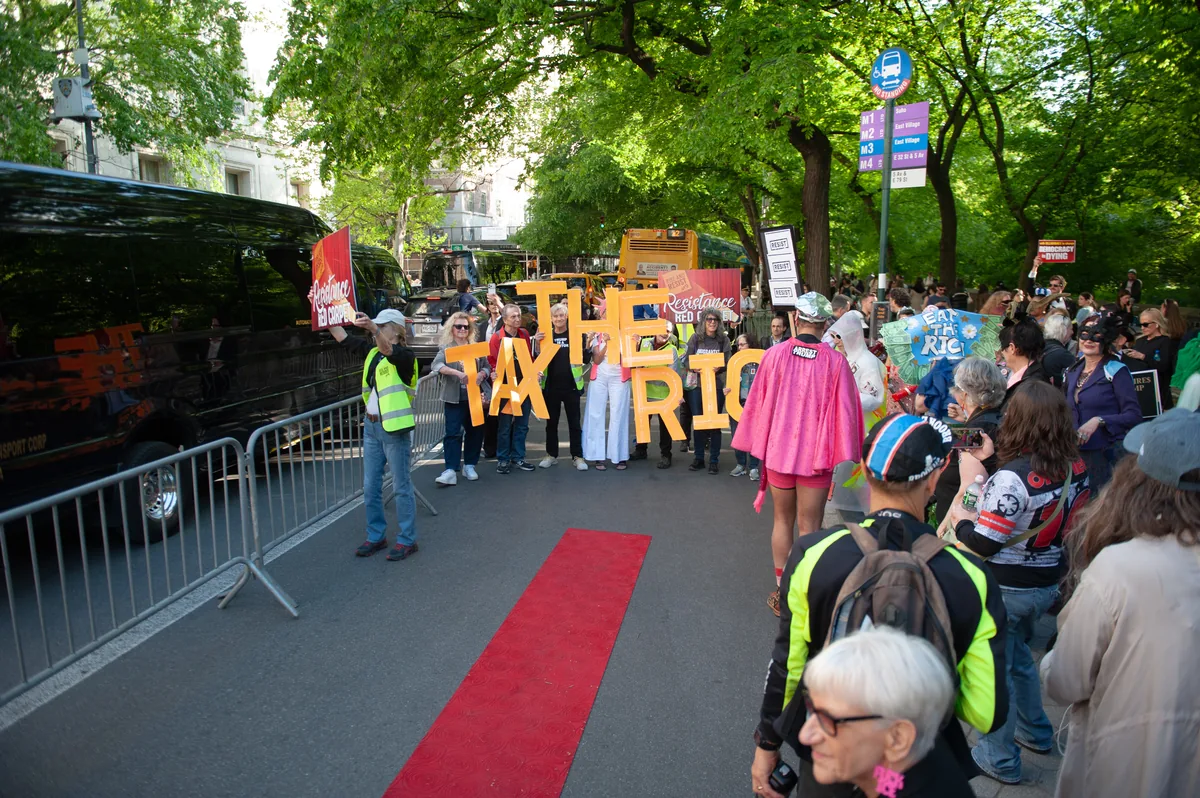
A Short History of Red-Carpet Fashion
How a strip of carpet became the most watched runway in the world — and why what stars wear on it carries so much weight.
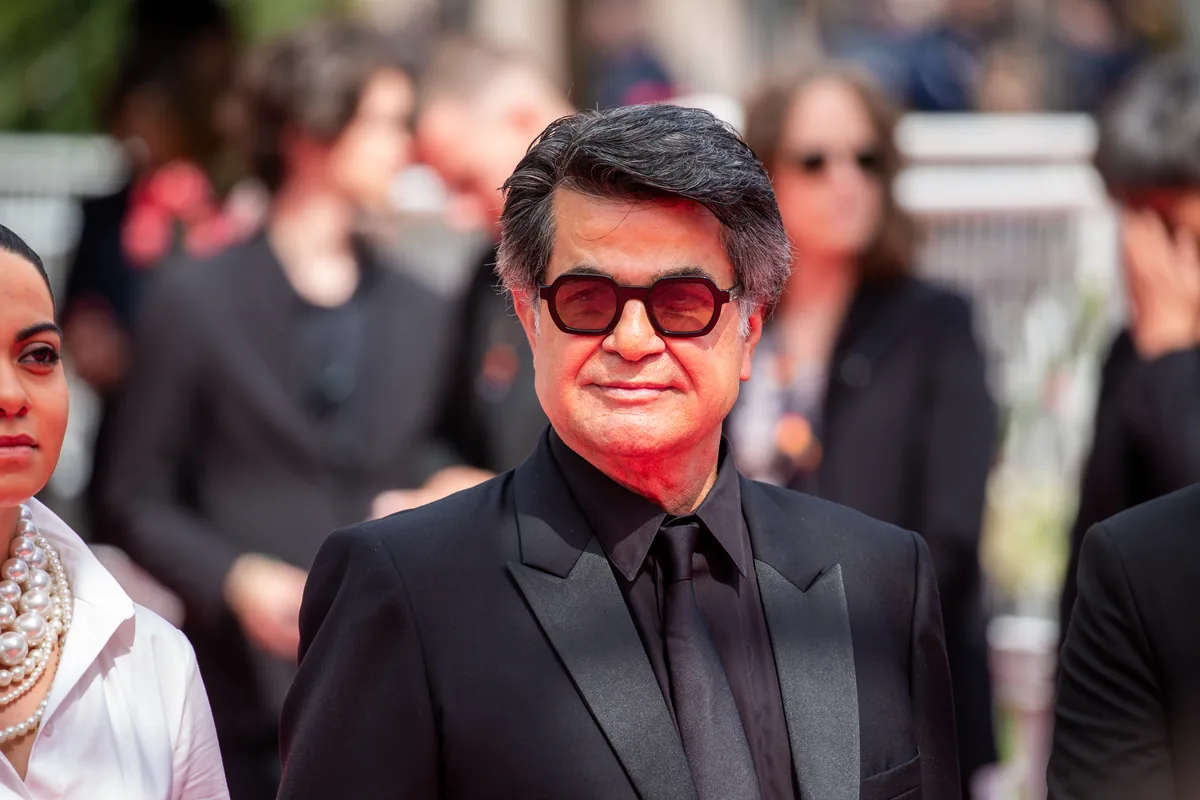
Photo: Kacy Bao, CC BY-SA 4.0, via Wikimedia Commons
The red carpet is one of the few places where fashion becomes genuine mass entertainment. Millions of people who would never read a runway report will happily spend an evening judging gowns and tailoring. To understand how a length of carpet turned into the most photographed catwalk on earth, it helps to trace where the whole spectacle came from.
The carpet before the cameras
Rolling out a red carpet is an old gesture of honor, used long before film premieres existed, to mark a path for important guests. The color signaled status; walking it meant you were someone worth receiving. When the entertainment industry adopted the idea for premieres and ceremonies, it inherited that symbolism wholesale. Stepping onto the carpet was never just about arriving. It was about being presented.
From arrival to main event
For decades the carpet was a prelude — a way for guests to enter a venue while photographers worked. What changed was coverage. As television and, later, dedicated pre-shows began broadcasting arrivals live, the walk itself became content. Networks realized audiences would tune in early just to see who wore what. The arrival stopped being a doorway to the event and became an event of its own.
That shift created a new kind of pressure. If the whole world is watching you walk fifty feet, every choice — the silhouette, the color, the jewelry, the way you pause for the cameras — is a public statement. The carpet turned dressing into performance.
The rise of the stylist
As the stakes grew, so did the team behind each look. The modern red-carpet appearance is rarely a solo effort. A stylist curates options, often borrowing pieces directly from fashion houses; tailors fit them to the body; and a wider team handles hair, grooming and accessories. What looks effortless is the product of fittings, negotiations and a great deal of planning.
This professionalization is why red-carpet fashion grew so polished over time. It also created a quiet economy: designers gain enormous exposure when their work is worn and photographed, so lending a standout piece is as much marketing for the house as it is a favor to the wearer.
A great red-carpet look is a collaboration dressed up as a single person’s instinct.
When a dress becomes a headline
Some looks transcend the evening and lodge in cultural memory. Usually it is because they did something unexpected — broke a convention, took a risk with color or construction, or captured a mood the moment was reaching for. A look like that gets reprinted, referenced and imitated for years, which is exactly why a bold choice can be worth the gamble. The safe option is forgotten by morning. The daring one can define a career.
That is also why the carpet rewards a point of view. The most memorable dressers are not necessarily the ones who follow the trend of the season. They are the ones who seem to know who they are and use the carpet to say it.
Themes, codes and the modern spectacle
In recent decades some events have pushed the carpet further, attaching themes or strict dress codes that turn the evening into a costume challenge as much as a fashion parade. These events reward interpretation: the fun is watching how literally or loosely each guest takes the brief. They have also raised the ceiling on what a carpet look can be, blurring the line between fashion and art installation.
The effect is that the carpet now spans a huge range. The same night can hold a quietly perfect classic gown and an elaborate conceptual look that exists mainly to be discussed. Both are doing the job the carpet asks of them: getting noticed.
Why it still matters
It would be easy to dismiss red-carpet fashion as frivolous, and plenty of people do. But it functions as one of the most accessible front doors into fashion as an art form. It introduces designers to audiences who would never attend a show. It keeps craftsmanship — the embroidery, the tailoring, the construction — in the public eye. And it gives millions of people a shared, low-stakes pleasure: looking, reacting, having an opinion.
The carpet endures because it does something simple and powerful. It takes fashion off the runway, puts a human being inside the clothes, and lets everyone watching feel like a critic for a night. That is a format with staying power, and it is not going anywhere.
About this piece
This is an evergreen history from the CelebTea Editors. We write about how the entertainment world works — not rumors about individual people. Spot something we got wrong? [email protected]