Why Movie Runtimes Keep Getting Longer
It feels like every big release now runs past two and a half hours. There are real reasons — creative, commercial and technical — behind the stretch.

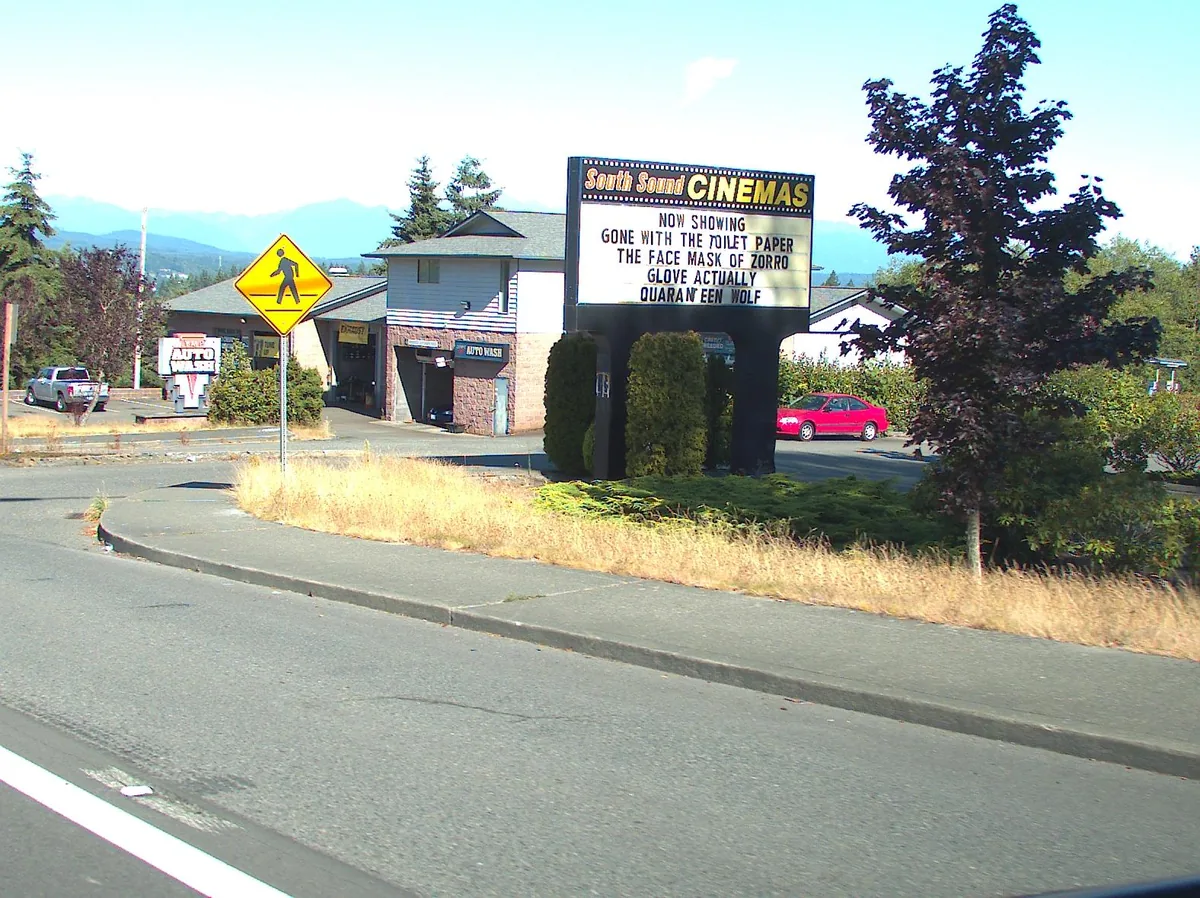
Photo: JOHN K THORNE, Public domain, via Wikimedia Commons
If you have found yourself checking the runtime before booking a film, you are not imagining things: big releases, on average, have been trending longer. The three-hour event movie is no longer a rare exception. There is no single villain behind this. It is the result of several forces pushing in the same direction at once.
Prestige has always been long
Length has a long association with seriousness. An epic running time signals ambition, the sense that a film is a major work rather than a quick entertainment. Filmmakers with the clout to make a long film often want to, because the extra time reads as scope. For a movie positioned as a centerpiece release, length is partly a statement: this is big, this matters, this is worth your evening.
That instinct is not new. Grand, lengthy films have existed for as long as cinema has wanted to feel important. What has changed is how often the biggest commercial films reach for that register.
Franchises carry more weight
Many of today’s largest films are chapters in a connected series. That brings obligations. A single film might need to advance several characters, set up future installments, pay off earlier ones and still deliver a self-contained story. All of that plot machinery takes minutes. When a movie is a node in a larger web, it tends to swell to carry the load.
Standalone films can be lean because they only owe you one story. Connected-universe films often cannot, because leaving threads unresolved disappoints an audience that is tracking the whole saga.
A longer film is not automatically a more ambitious one. Sometimes it just has more homework to do.
The economics of an event
There is a commercial logic too. When studios concentrate resources on a smaller number of huge releases, each one has to feel like an occasion worth leaving the house for. A longer running time contributes to that sense of value — a film you could never get from a quick stream, an experience that justifies the ticket. In a landscape where a lot of viewing happens at home, scale and length are ways a theatrical release argues for its own necessity.
The trade-off is real. A longer film can be shown fewer times per day in a cinema, which affects how a venue schedules it. So length is not a free choice; it is balanced against how many screenings a day the movie can support.
Technology removed the old limits
Practical constraints used to cap length. Physical film came in reels, projection had limits, and the economics of the medium nudged films toward tighter cuts. Digital production and projection loosened much of that. When the cost of an extra few minutes is lower than it once was, the discipline that short formats imposed naturally relaxes.
Editing culture matters here as well. With powerful digital tools, filmmakers can keep more material in play later into the process, and a director with final say can protect scenes that an older, more ruthless workflow might have trimmed.
Does longer mean better?
Not inherently. A long film that earns its length — that uses the time to build character, tension and payoff — can be deeply satisfying. A long film that is merely padded is just a test of your patience and your bladder. The best filmmakers treat running time as a tool, not a trophy, cutting hard when a story is served by brevity and expanding only when the material genuinely needs room.
The audience is part of the equation too. Viewers have shown they will happily sit through a long film if it delivers, which removes some of the pressure to keep things short. Length becomes less risky when people keep rewarding it.
How to pick your long films wisely
- Read the running time as information, not a warning. Some stories need the space; a three-hour film is not automatically indulgent.
- For connected-universe films, expect setup and payoff to eat into the runtime. That is the genre, not a flaw.
- If you are on the fence, a matinee or a home viewing lets you take a break — long films forgive the pause better than tight thrillers do.
- Trust filmmakers who have earned it. A long film from someone with a track record of using time well is a safer bet than length for its own sake.
The long-runtime era is unlikely to reverse soon, because the forces behind it — prestige, franchises, event economics and looser technical limits — are all still in play. The best response as a viewer is not to fear the clock but to choose well. A great long film is a gift. A bloated one is a lesson for next time.
About this piece
This is an evergreen explainer from the CelebTea Editors. We write about how the entertainment world works — not rumors about individual people. Spot something we got wrong? [email protected]