Why the Limited Series Took Over Prestige TV
The self-contained, one-and-done season has become the home of some of television’s best work. The format’s rise is no accident.
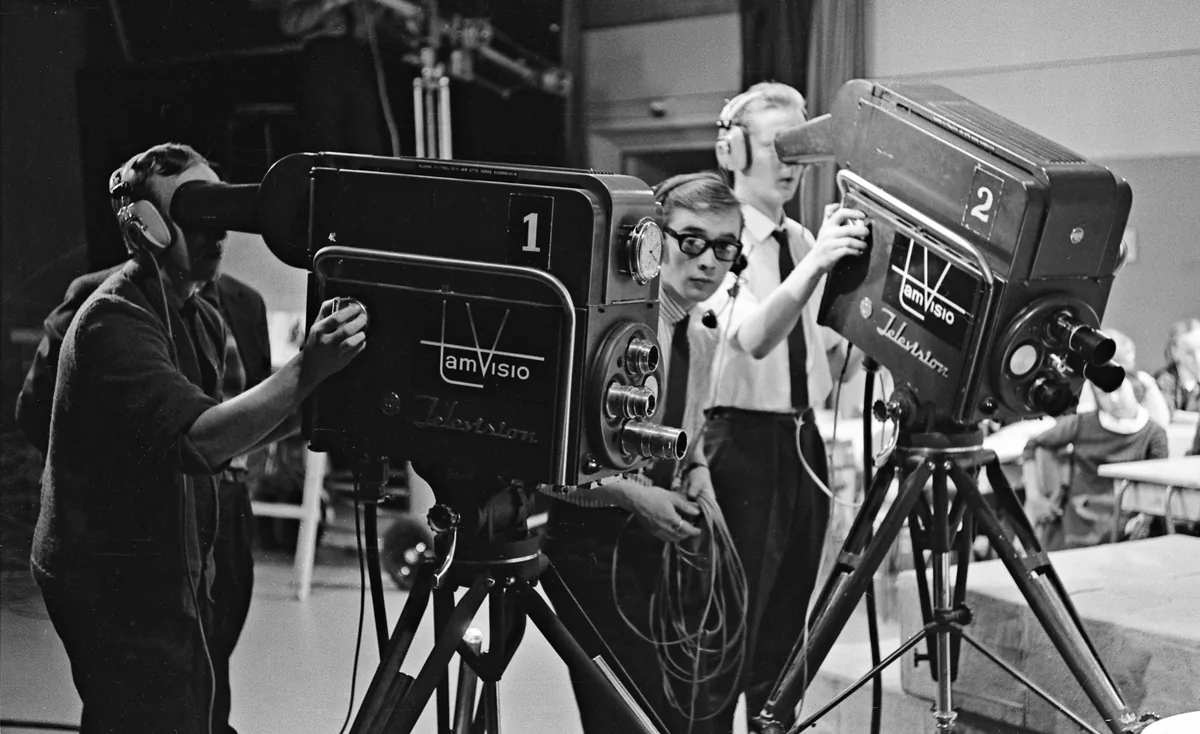
Photo: Finnish Broadcasting Company (Yle), Public domain, via Wikimedia Commons
Somewhere along the way, the phrase “limited series” stopped meaning “a short show” and started meaning “the good stuff.” A format that was once a niche — the self-contained story told across a handful of episodes, with no plan to return — has become the home of a lot of television’s most ambitious work. That shift says a great deal about where the medium is right now.
What a limited series actually is
A limited series tells a complete story in a single season. It has a beginning, a middle and an ending, and when it is over, it is over. That is the key distinction from an ongoing show, which is built to continue and must keep leaving doors open for the next season. The limited series is free to close every door, because there is no next season to protect.
That freedom is the whole point. It changes what writers can do, what performers will sign up for, and how an audience experiences the thing.
It solves the ending problem
Ongoing television has a notorious weakness: endings. A show designed to run as long as it stays popular is structurally discouraged from resolving anything, because resolution removes the reason to keep watching. The result is the familiar sag of a series that overstays, spinning its wheels long after its best story is told. A limited series is immune by design. It knows where it is going, builds toward that destination, and stops. The ending is not an afterthought; it is the plan.
The limited series made a promise ongoing TV rarely could: this story will actually end, and the ending is the point.
It attracts a different level of talent
A complete, finite story is an easier commitment to make than an open-ended one. Writers and performers who would hesitate to sign away years of their lives to a show that might run indefinitely can commit to a single, contained season. That lowered barrier has drawn ambitious talent toward the format, which in turn raised its prestige, which drew more talent. The format became self-reinforcing: good work attracted good people, who made more good work.
The finite scope also changes the writing itself. With a fixed number of episodes and a known ending, every scene can be built to serve the whole. Nothing has to be stretched to fill an uncertain future. The economy shows on screen.
It fits the way we watch now
A self-contained season is a manageable ask in an age of endless choice. Faced with a show that demands years of loyalty across many seasons, plenty of viewers simply never start. A limited series offers a clear, bounded commitment: a handful of hours, a complete experience, no homework and no fear of investing in something that will be cancelled on a cliffhanger. In a crowded landscape, “you can finish this” is a genuine selling point.
It also suits the way prestige titles move through the culture now — as events to be discussed and completed, rather than companions you live with for a decade.
The catch
The format has an awkward side effect worth naming. When a limited series is a hit, there is enormous pressure to bring it back, which pushes some “limited” series into additional seasons they were never built to have. A story designed to end is then asked to continue, and the second act sometimes struggles precisely because the original was complete. The thing that made it great — its finality — is the thing a sequel has to undo.
This is the tension at the heart of the format’s success. Its discipline is its strength, and that discipline is exactly what commercial success tempts it to abandon.
Why it is here to stay
- It delivers real endings, which ongoing shows struggle to provide.
- It attracts ambitious talent by asking for a contained commitment.
- It respects the viewer’s time in an era with too much to watch.
- It gives platforms a prestige event without the open-ended risk of a long-running show.
The limited series is not going to replace ongoing television; the long-running show that you live with for years does something the limited format cannot. But as a home for bold, complete, carefully built stories, the limited series has earned its place at the top of the prestige pile. It figured out something simple that the medium had long struggled with: how to end well.
About this piece
This is an evergreen explainer from the CelebTea Editors. We write about how the entertainment world works — not rumors about individual people. Spot something we got wrong? [email protected]